
Get the healthy green lawn you have always wanted!
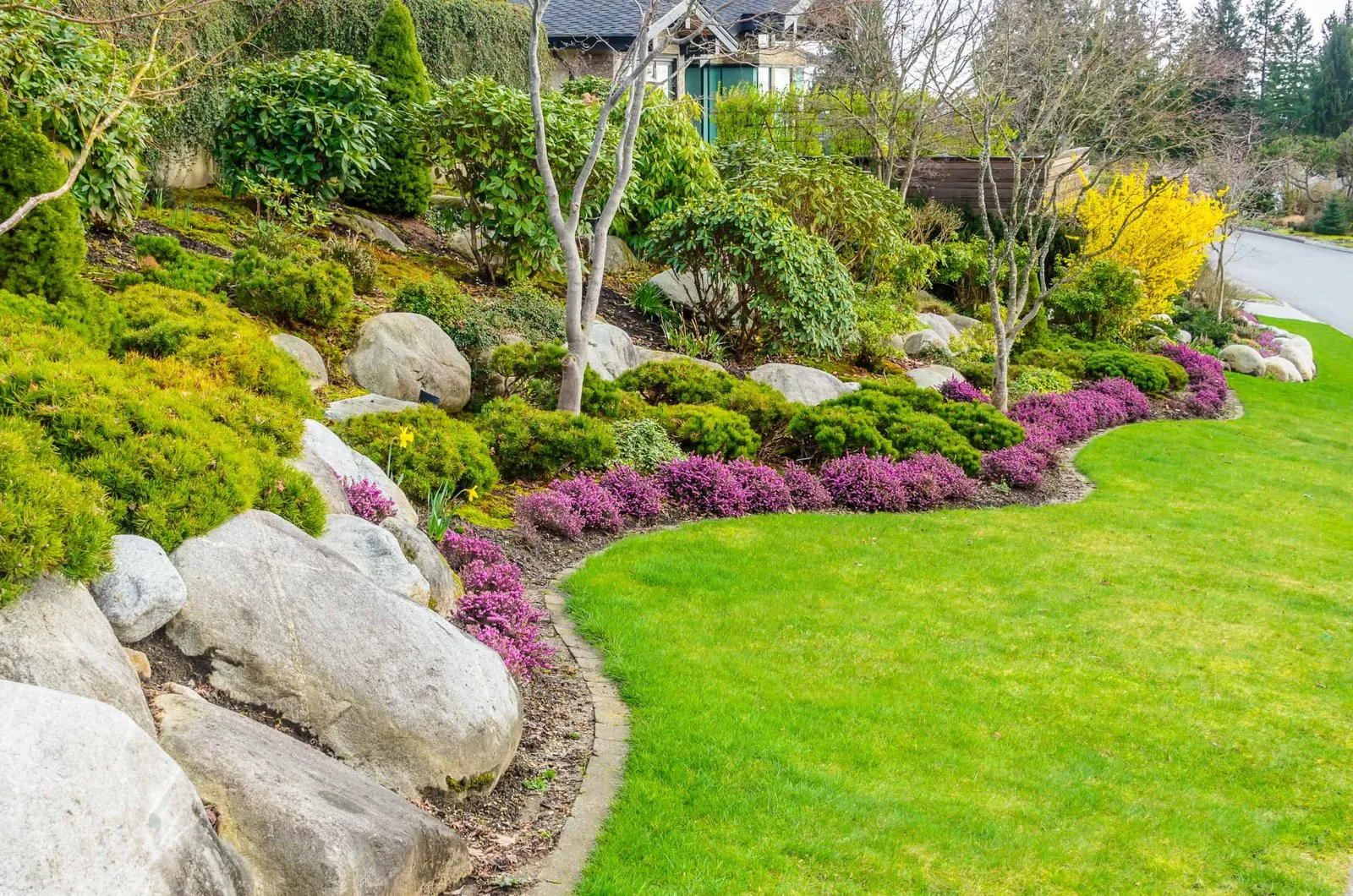
Every landowner dreams of a beautiful green lawn at home. Professional lawn installation or improvement of an existing lawn creates a well-kept outdoor environment and increases property value. For fast results, we offer turf laying.
Our team includes experienced staff who have installed lawns around newly built homes, after building repairs and renovations, and following swimming pool construction. We restore and improve lawns that have lost their freshness over time. Where needed, we also offer soil restoration and improvement.
Depending on requirements and agreement, lawn installation services may include site preparation, soil rotavation, removal of infertile soil, spreading and levelling fertile soil, fine grading, removal of debris and weed roots, forming flower-bed edges, proper soil compaction, tractor work, topsoil delivery, removal of surplus soil, hydroseeding, seeding, pneumatic seeding, turf delivery and laying, site clean-up, path washing, the first mow, overseeding, lawn repairs and a guarantee.
Successful results depend on proper soil preparation and choosing a method suited to the site. By assessing soil quality and watering options, we can select the best solution for your new lawn installation or restoration project.
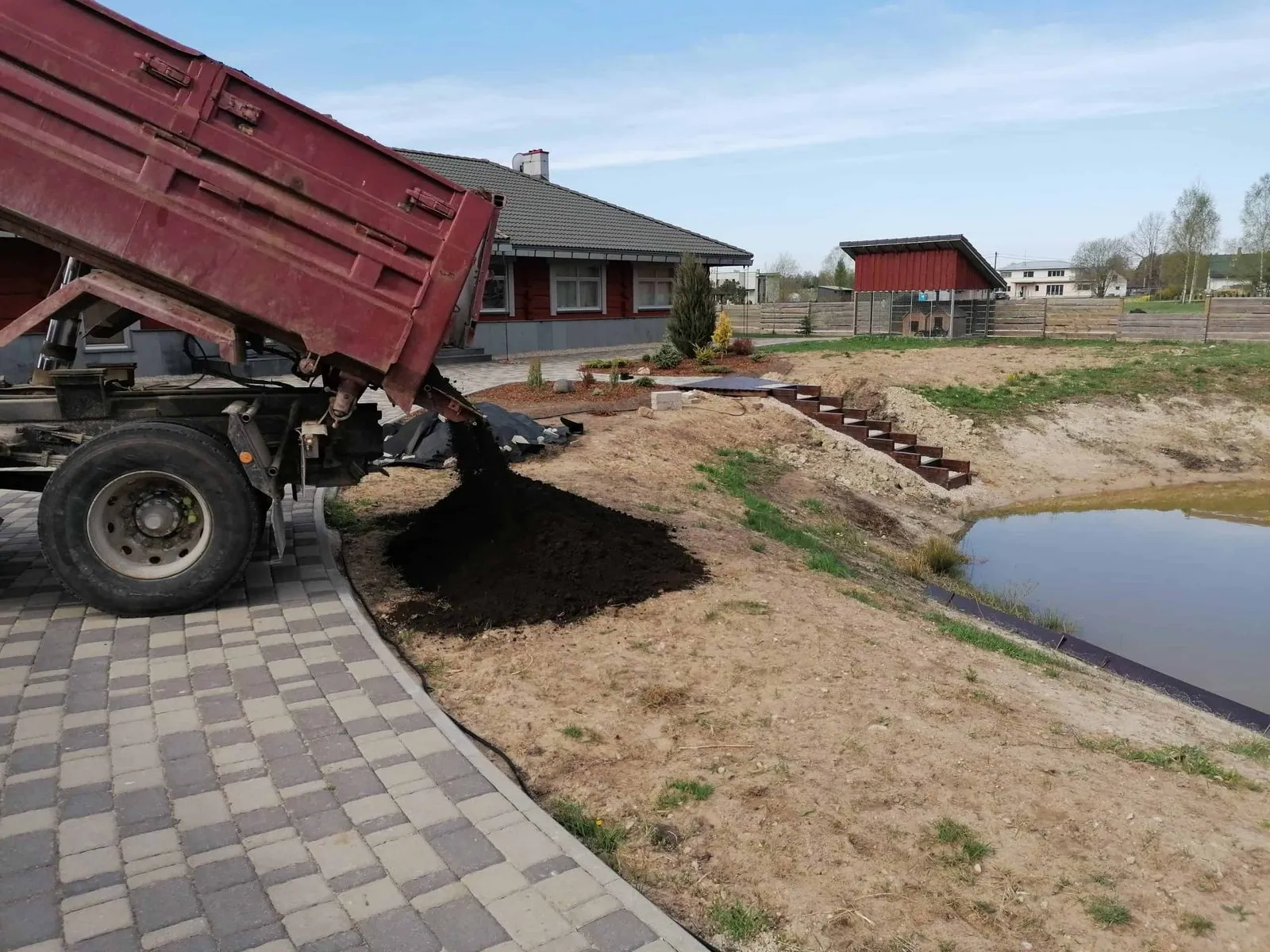
Soil preparation
Soil is the foundation of a healthy new lawn. Before installation, the existing soil must be checked for a suitable acidity level and depth of fertile topsoil. Grass roots can grow up to 20 centimetres long, so it is important to ensure they can access all the nutrients they need. For successful seeding or turf laying, we ensure an appropriate soil pH that promotes the availability of essential nutrients and creates a fertile environment.
We prepare soil when it is sufficiently dry; otherwise, its structure can be damaged. Seeding can begin in spring once the topsoil reaches +7–8°C. Seeding is recommended until early October, while turf can be laid later, depending on how warm the autumn is. It is important that at least three to four leaves have emerged from each seed before cold weather begins. For autumn sowing, hardier, faster-germinating grasses are therefore recommended, such as mixtures based mainly on red fescue varieties.
When preparing existing soil, we first rotavate it and then remove weeds. This is done by mechanically picking out weed roots or treating weeds with special herbicides during active growth. Debris, stones and clumps are then removed from the topsoil, and the surface structure is improved by bringing in screened topsoil or improving and fertilising the existing soil. Using screened topsoil for the finishing layer always gives a better result. Improving existing soil can be time-consuming and require greater investment; it is usually done where no good topsoil source is available nearby.
If fertile topsoil was pushed into piles during house construction, it can be used for the future lawn, as most weed roots in these piles will have decomposed during construction. If the fertile layer is at least 15–20 cm deep and of good quality, it will be sufficient; only screened topsoil for the levelling layer will need to be brought in.
Fine grading is usually carried out by hand using purpose-made tools. For larger areas, we use a tractor-mounted levelling attachment.
If the loosened or added topsoil layer is deeper than 12–15 cm, it is advisable to let it settle for at least a month or two. Alternatively, we can add and compact the soil in stages.
If the fertile soil at the planned lawn site is damaged or absent, we bring in topsoil. Ideally, the topsoil layer should be at least 10 centimetres deep after compaction, which means spreading at least 15 cm to leave 10 cm once compacted.
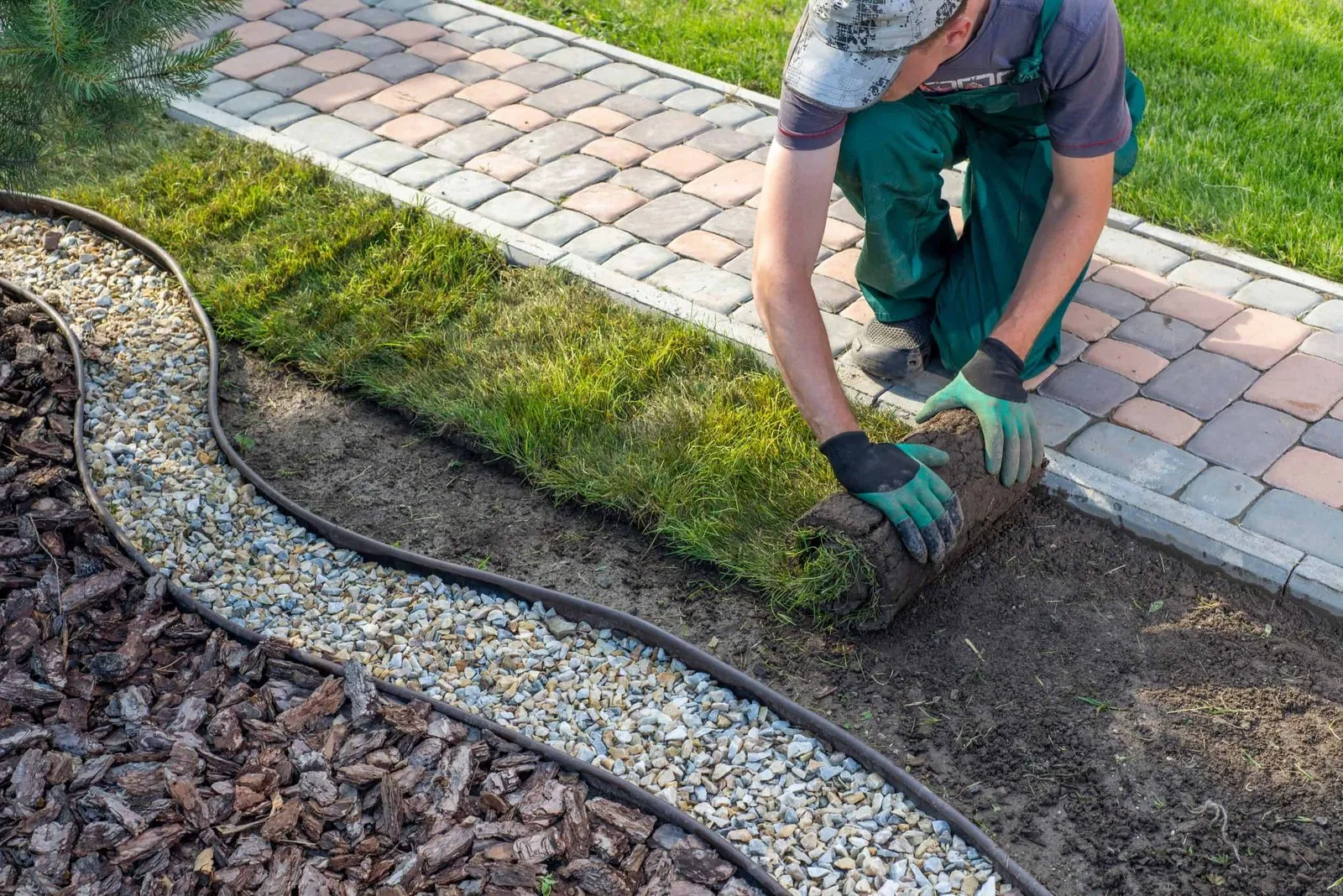
Roll turf installation and laying
Unlike a seeded lawn, laid turf becomes a fully established lawn after just 2 weeks. A seeded lawn can be used after 5-7 weeks but will only become fully established the following year. Within two weeks, turf takes root in the soil and stabilises the ground, making it suitable for hard-to-reach areas, steep hills, slopes, pond and river banks, and other challenging terrain. Turf provides an attractive appearance and immediate results straight away. Read more about turf installation here.
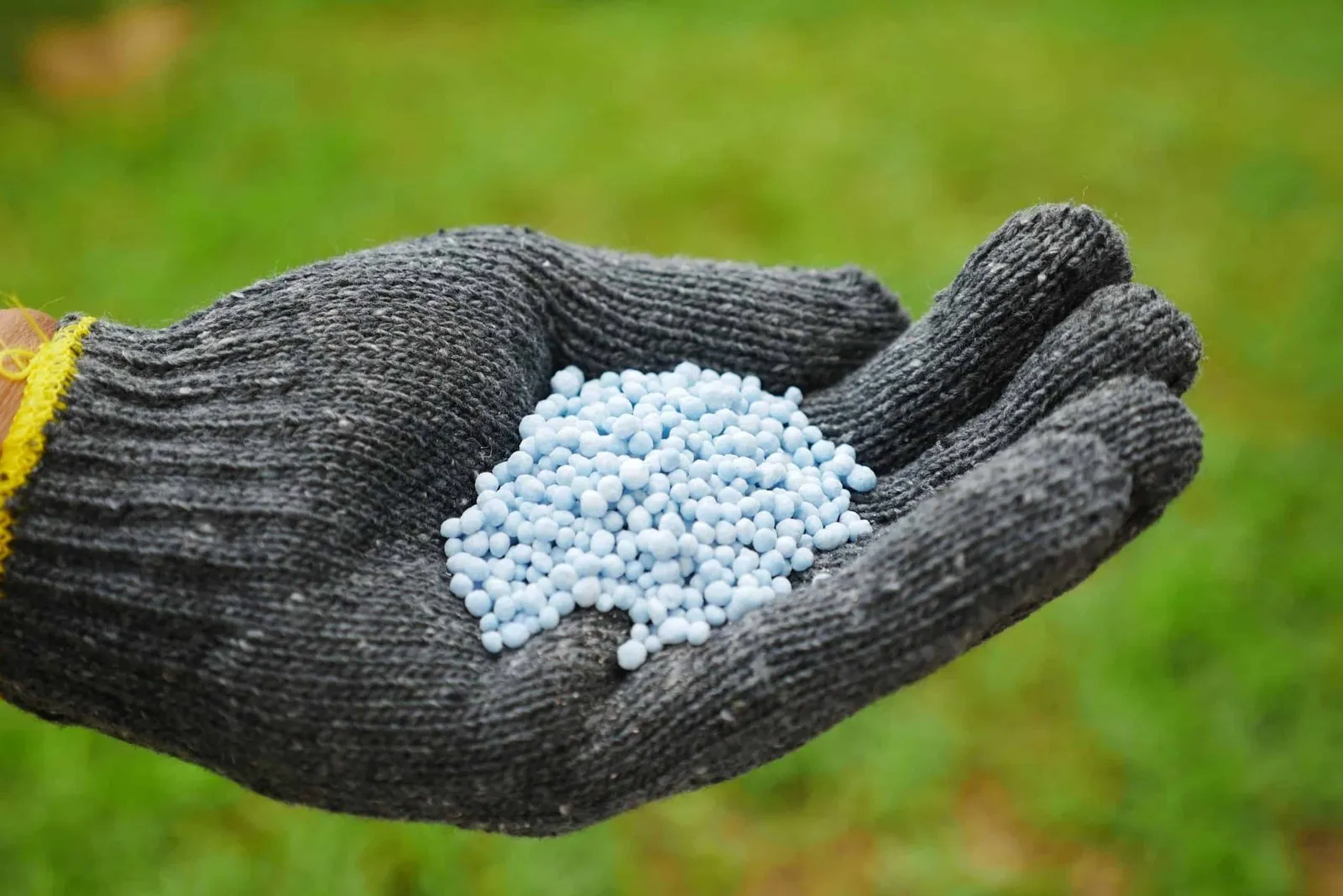
Fertilising
Before seeding a new lawn, the correct soil pH must be established by adding the required amount of lime. The ideal pH for lawns is 6–6.5. Where adjustment is needed, we add dolomite powder, chalk or hydrated lime. If necessary, we arrange laboratory agrochemical soil testing, although measuring the pH is usually sufficient. Enriching the soil with mineral fertilisers is particularly important. We generally use a compound fertiliser suited to the season.
Grass seed mixtures
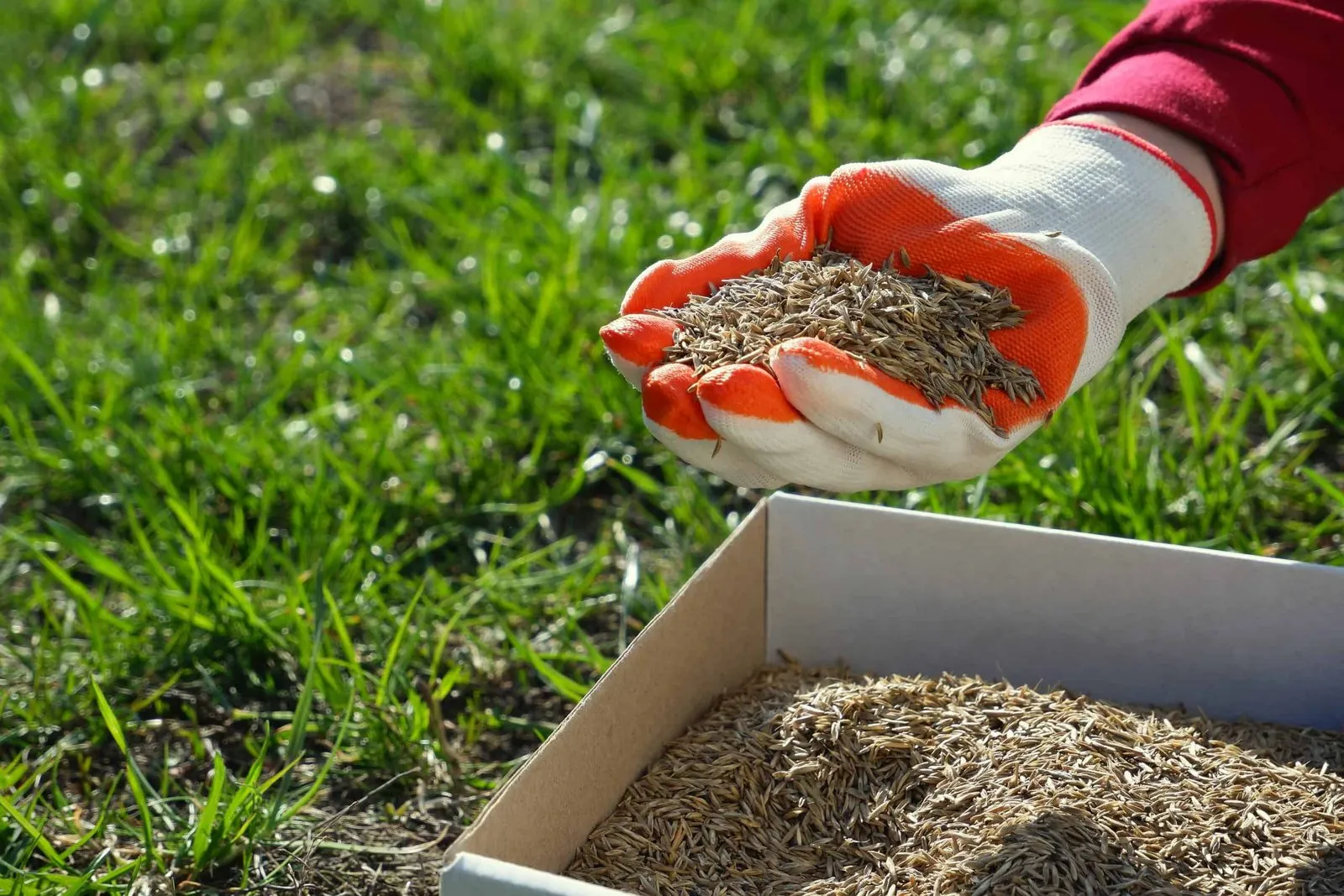
The best grass seed mixtures are those suited to the soil composition, moisture and light at the particular site. The level of lawn maintenance and intensity of use must also be considered. General-purpose mixtures of smooth-stalked meadow grass and red fescue varieties are well suited to domestic lawns and are used in 80% of cases in Latvia. If the soil is sufficiently moist, thorough watering is possible or an irrigation system is installed, smooth-stalked meadow grass can predominate. Such a lawn withstands foot traffic and needs less frequent mowing. In drier, free-draining soils and areas receiving less sunlight, red fescue should make up a larger proportion. Perennial ryegrass is usually added because it germinates and develops quickly, but it is not particularly hardy in our climate, so ideally it should not exceed 15–30% of the mixture. Specially selected seed mixtures are used to improve the lawn’s adaptation to the particular conditions.
If you want a resilient, environmentally friendly lawn that does not need fertilising, choose a mixture containing clover. Sometimes called an eco-lawn, it benefits from clover storing nitrogen in its roots and feeding the whole lawn. Clover spreads rapidly underground, making the lawn resistant to mechanical damage and drought.
Lawn care after seeding
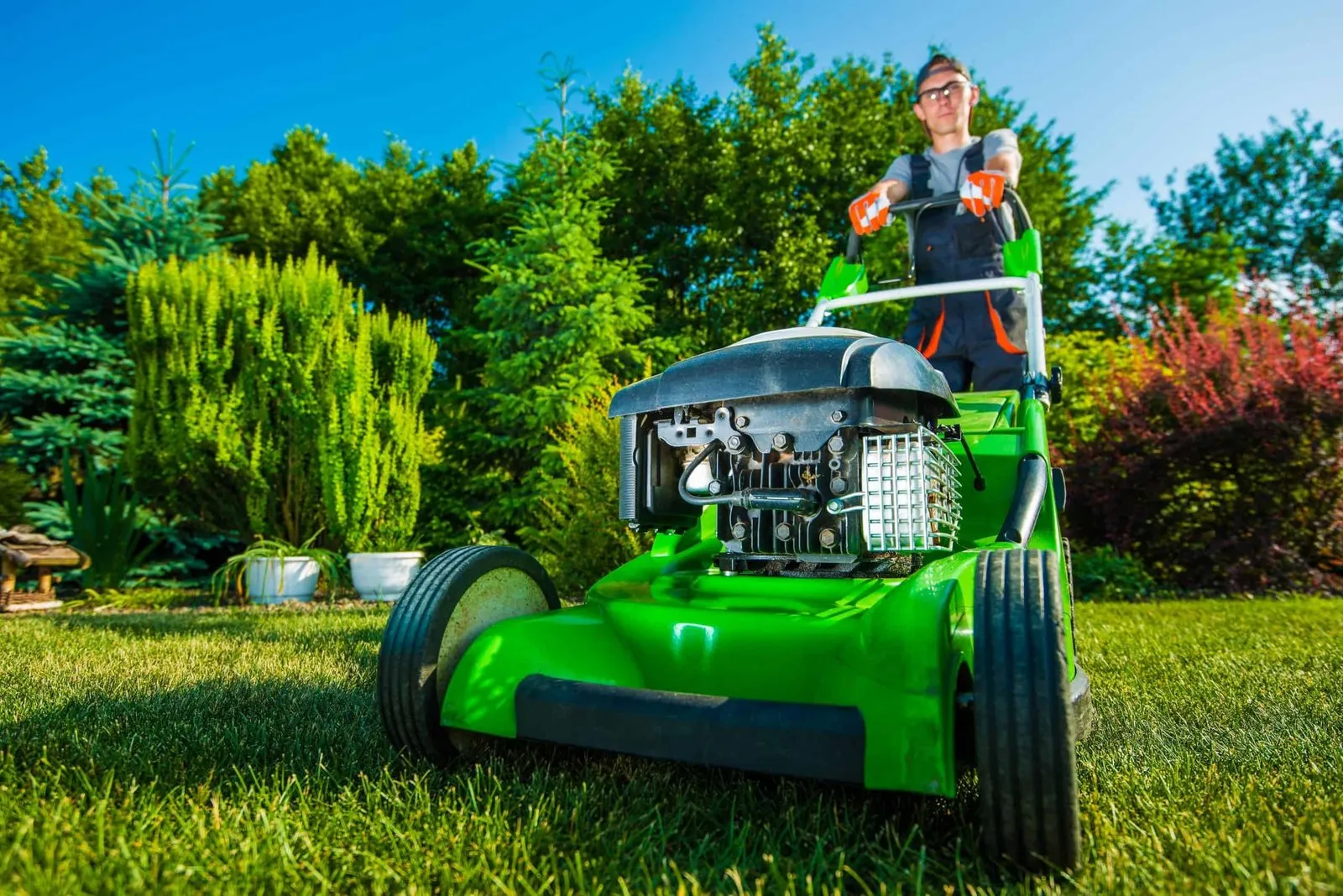
It is important to give a new lawn its first cut at the right time and in the right way. Mow for the first time when the young grass reaches 8–9 cm, and next cut it to 5–6 cm. A slightly greater height is recommended for a new lawn, helping it develop faster and cope better with drought. After 3–4 cuts, move to a mowing height of 3.5–4.5 cm. Only new lawns consisting mainly of meadow fescue may be cut shorter, to 2.5–3.5 cm. Remove no more than one third of the grass height in a single cut to avoid unnecessary stress. If the lawn is overgrown, mow it in several stages a few days apart.
Carry out the first mow on a dry day, only after the dew has dried. If the soil is loose, we recommend rolling it the day before mowing. Always make sure the mower blades are sharp.
In spring and summer, a newly mown young lawn should be fed with a compound fertiliser higher in nitrogen. In the first year, fertilise after every four to five cuts. Do not apply nitrogen fertiliser in autumn, as it promotes growth and actively growing grass has more difficulty overwintering. In its first and second years, a young lawn can be sprayed with fungicides in late autumn to protect against fungal diseases such as snow mould and rot. If fungal disease occurs, it is important to remove and burn the affected grass. Do not leave the grass too long for winter, as this significantly increases the risk of fungal disease. In a mild winter, mowing may sometimes be needed even before Christmas or in early spring; always remove the clippings in that case.
Only a well-maintained lawn will grow beautifully and give you pleasure for years to come.
Quality guarantee
We work carefully and wholeheartedly, with experience and a sense of responsibility that guarantee quality service and results. We can also take additional measures to ensure lawn quality and provide a guarantee.
We recommend turf for slopes because rain does not wash it away. Where no irrigation system is installed, an agricultural covering film is very useful: it retains more moisture and protects against washout if the owner has not moved the sprinkler in time.
Naturally, not all seeds germinate evenly when a lawn is sown, and some may be non-viable. We can guarantee overseeding by separate agreement. Ask about this before installation or during the process, but no later than before the first mow, to avoid surprises.
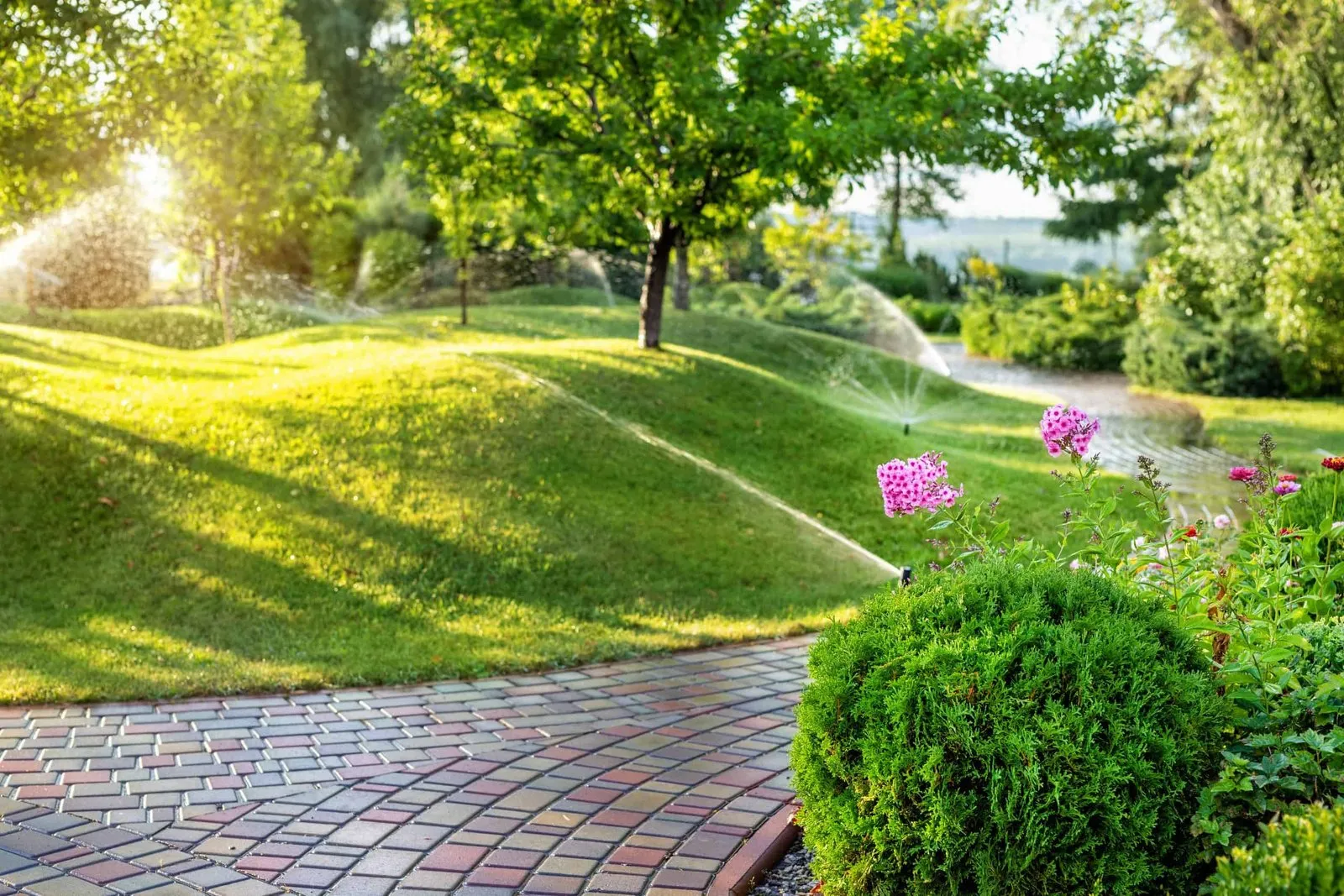
Quality really is inseparable from watering. A lawn needs so much water that, in the rush of everyday life, people usually water too infrequently and too little, and do not move the sprinkler in time. For this very reason, we provide a full germination guarantee only where an irrigation system is installed! Please ask separately about irrigation system installation.
Landscaping — planting and maintenance
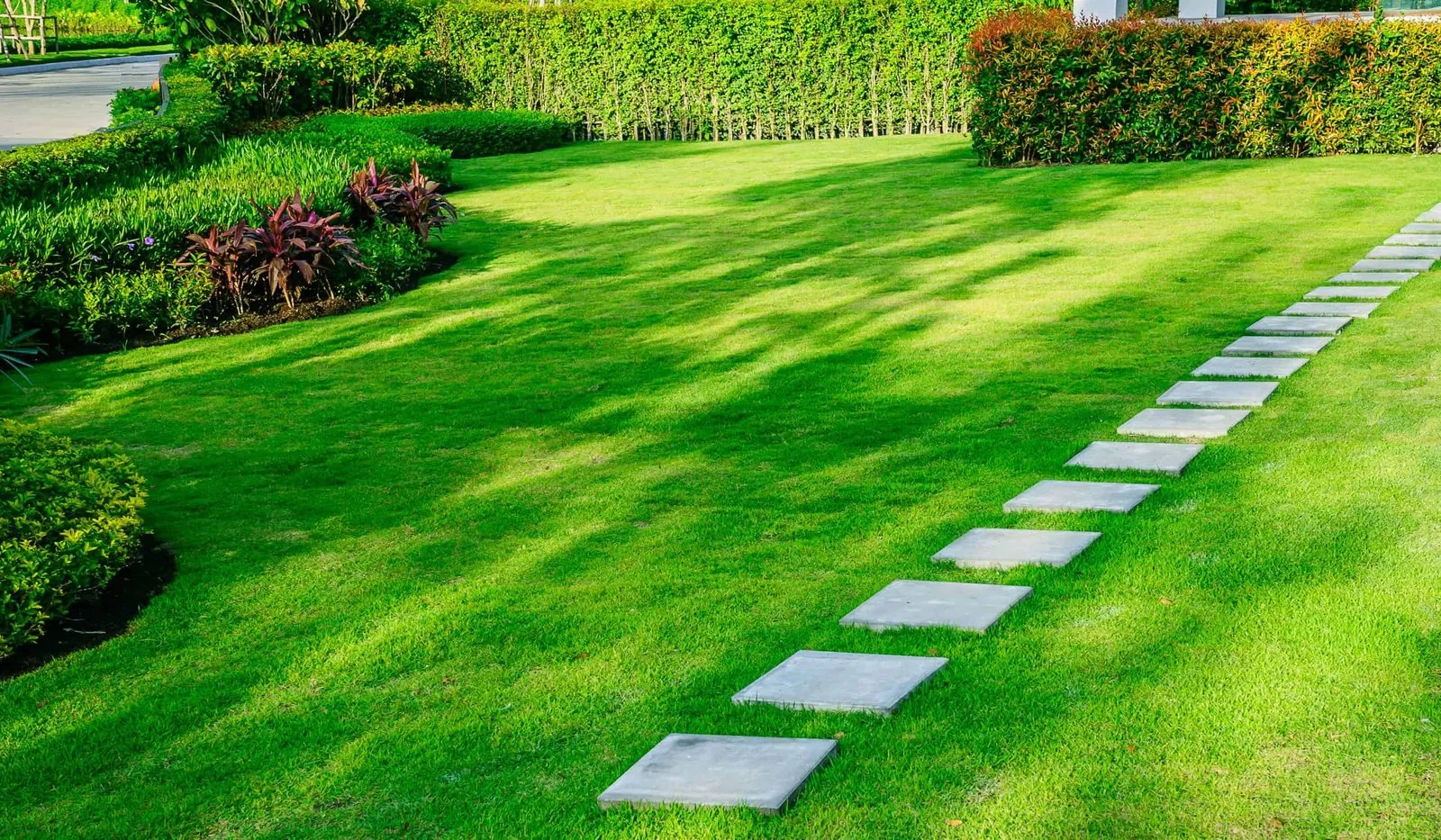
We create flower beds, plant hedges and maintain them. We trim and shape hedges. We carry out lawn aeration, verticutting and scarification. We install woven willow fences.
Keywords for our landscaping services: lawn, grass lawn, garden lawn, lawn seeding, lawn installation, resilient lawn, garden lawn installation, garden lawn seeding, which lawn to choose, topsoil levelling, grass seed, roll turf, eco-lawn, soil rotavation, lawn watering, flower-bed creation, landscaping, lawn establishment, lawn, grass lawn, lawn seeding, grass seeding, lawn installation, lawn establishment, landscaping, planting, grass fertilising, lawn fertilising, proper lawn care, lawn aeration, grass aeration, lawn care, grass care, grass seed, lawn seed, grass seed mixtures, lawn seed mixtures, lawn seeding, grass seeding, grass seeds, perfect lawn, lawn care, grass care, lawn mowing, grass mowing, quality lawn, quality grass lawn, lawn with a guarantee, grass lawn with a guarantee, lawn repair, grass lawn repair, ground levelling, topsoil grading
26 006 111
Book a service or ask a question
To receive an approximate quote or book a service, complete the enquiry form. Please describe the work in as much detail as possible. We may ask you to send photographs or visit the site to assess the work.
26 006 111
Frequently asked questions
How can I get a perfectly level lawn?
To achieve a perfectly level lawn like a golf course, we use laser levelling. It is important not to rush: ideally, prepare the soil in autumn and carry out fine grading in spring once it has settled.
Can a lawn be seeded on slopes?
Turf is recommended for slopes. If you choose a seeded lawn, it is advisable to cover the slope with agricultural covering film to prevent the seeds from washing away.
How often should a lawn be watered?
Watering intensity depends on rainfall. In dry, sunny weather, water the lawn at least twice a day for the first 2-3 weeks. Early morning and late evening are preferable. If that is not possible, watering must be carried out three times a day; in very hot, dry weather, watering at midday is advisable.
How deep should the topsoil layer beneath a lawn be?
On level ground, an 8-12 cm topsoil layer is needed. If the existing soil is fertile, a 1-2 cm levelling layer may be enough. A deeper layer is preferable on slopes.
When can laid turf first be mown?
Mowing can begin after a few weeks. Read more in the lawn-care section and consult us.
Does laid turf need verticutting or aeration?
This is not necessary in the first two years, but may be needed in the third season.
Do weeds grow in laid turf?
Weeds do not grow in the first few years. Later, if the lawn is mown regularly, weeds will not grow either.
Customer reviews
“Ļoti ātri, kvalitatīvi un saildzinoši ar citiem -visspējamākā cena !”
“Viss tika izdarīts ļoti labi un kārtīgi. Lai arī bija daudz rakšanas darbu, pagalms palika kārtīgi sakopts. Pirms darba Juris atbrauca apskatīt un saskaņojām darba izpildes detaļas, kuras tika ievērotas. Viss tika paveikts laicīgi un pat īsākā laikā kā plānots. Iesaku!”
“Darbs tika paveikts ļoti labi. Juris vienmēr sazinājās un ieradās laicīgi. Pirms katra darba posma bija zināms, kas tiks darīts un kādas ir materiālu un darba izmaksas. Pēc darba viss tika sakopts. Paldies!”