
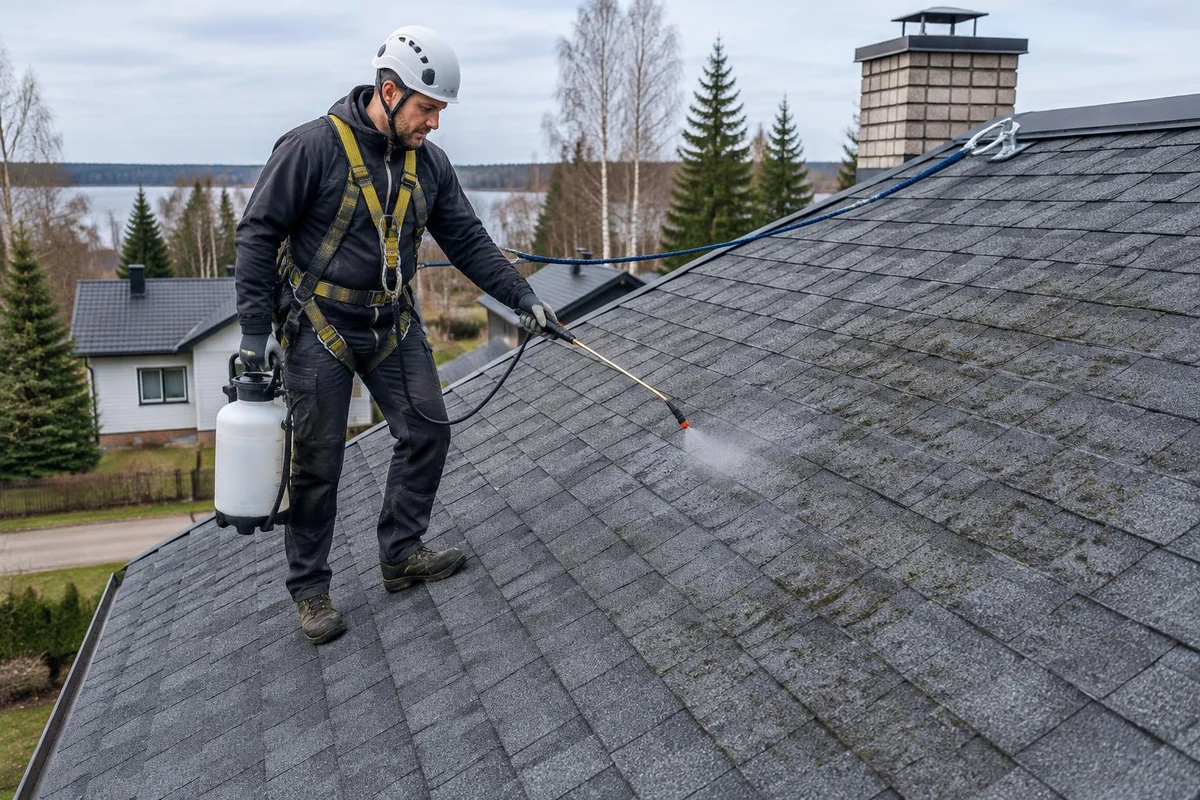

Why is anti-moss roof treatment needed?
Moss, lichens and algae develop gradually on roofs. Conditions are particularly favourable for growth on north-facing roof slopes, in the shade of trees and in areas that remain damp for longer.
Limits moss growth
The purpose of an anti-moss product is to act on unwanted growth and reduce the likelihood of its recurrence.
Helps control lichens and algae
Biological growth can cause dark or coloured stains. Suitable treatment helps limit its development, although existing stains do not always disappear immediately.
Helps maintain a well-kept appearance
Preventive spraying is particularly useful after moss removal or on a roof with light growth.
May reduce the need for deep cleaning
Regular maintenance can help prevent a thick layer of moss from forming, which would require considerably more work to remove.
Reduces moisture problems associated with biological growth
A thick layer of moss can retain moisture on the covering for longer. Controlling biological growth is one part of roof maintenance.
An opportunity to spot damage early
During spraying, the roof's condition can be assessed visually, with attention paid to damaged areas, junctions and gutters.
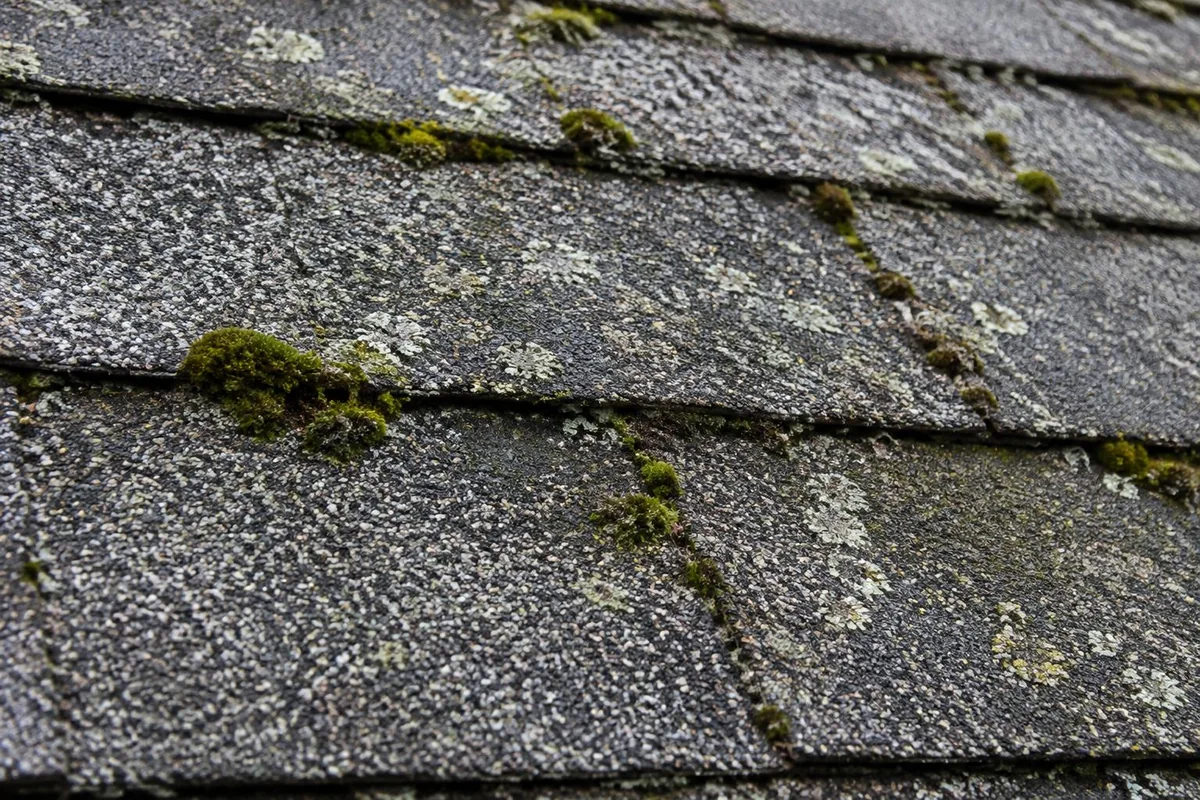
Should a roof be treated if there is no moss yet?
Yes — preventive treatment can be particularly useful while the roof is clean. Growth can begin unnoticed, especially in damp and shaded areas. Spraying at the right time helps maintain the roof's existing condition. It is prevention, not merely a response to a problem that has already developed.
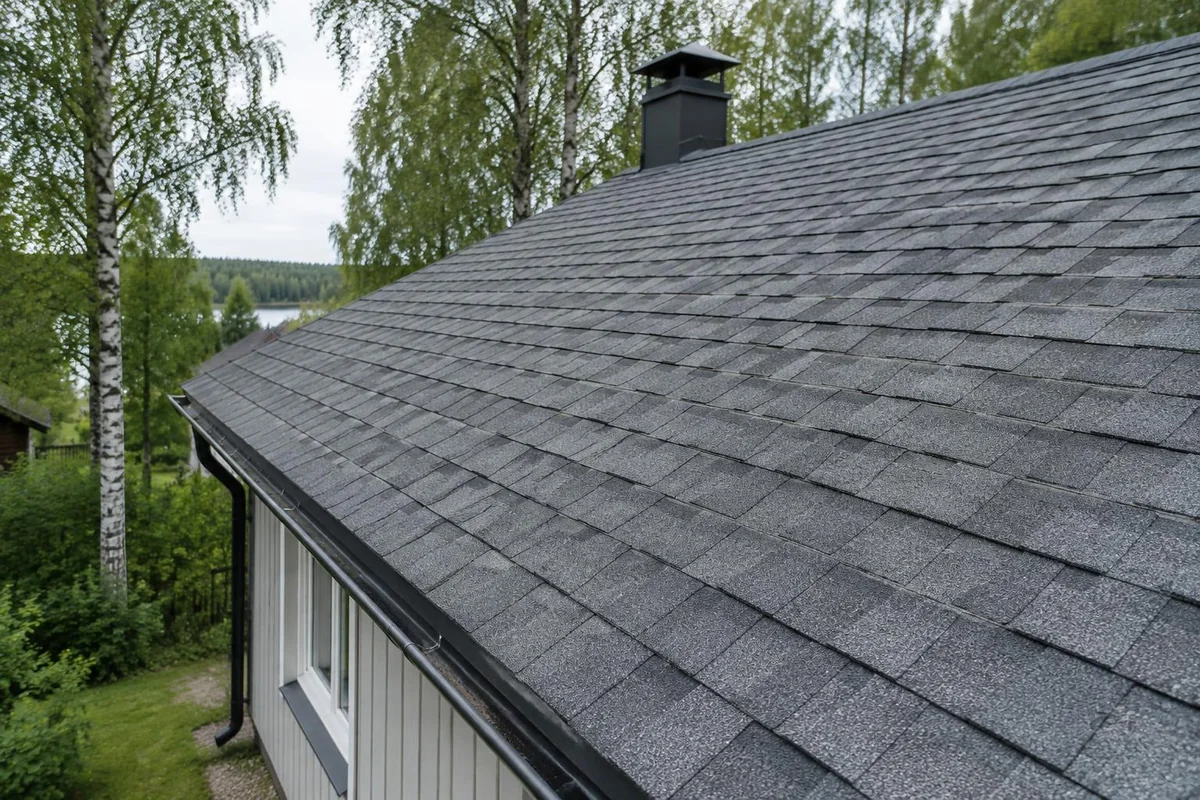
Is spraying alone enough for a heavily moss-covered roof?
An anti-moss product can act on moss, but this does not mean that a thick layer of moss will disappear quickly and completely. Dead growth can gradually come loose, enter the gutters and remain partly on the covering.
For heavily moss-covered roofs, we usually recommend gentle moss removal first, followed by spraying. This allows the product to reach the surface being treated more effectively.
Roof moss removalHow is anti-moss roof treatment carried out?
1. Assessing the roof's condition
We check visible growth, the condition of the covering and any possible damage. We assess whether cleaning is needed before treatment.
2. Preparation
Where necessary, we remove larger debris and assess the gutters and surrounding surfaces.
3. Applying the anti-moss product
We apply a product suitable for the particular covering in accordance with its label, application rates, safety instructions and weather conditions. We protect surrounding plants and prevent unwanted release of the product into the environment.
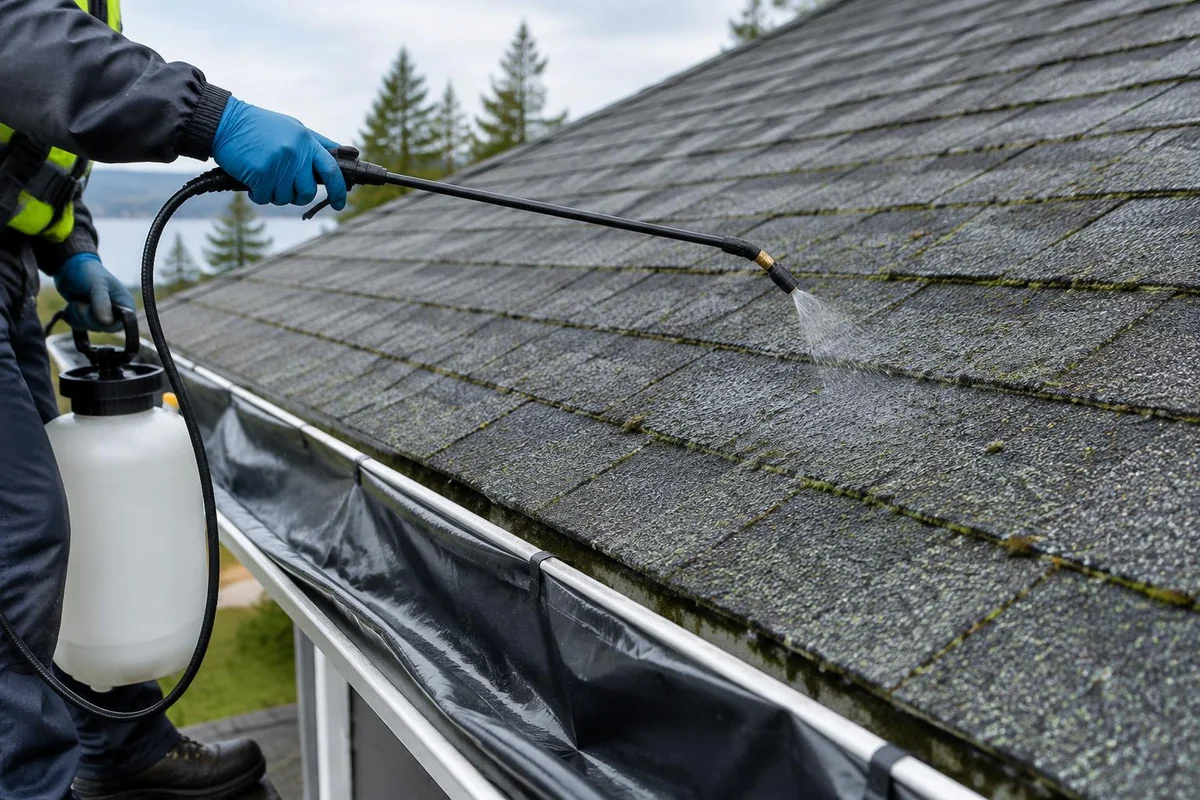
4. Visual roof inspection
We pay attention to visible damage to the covering, junctions and gutters.
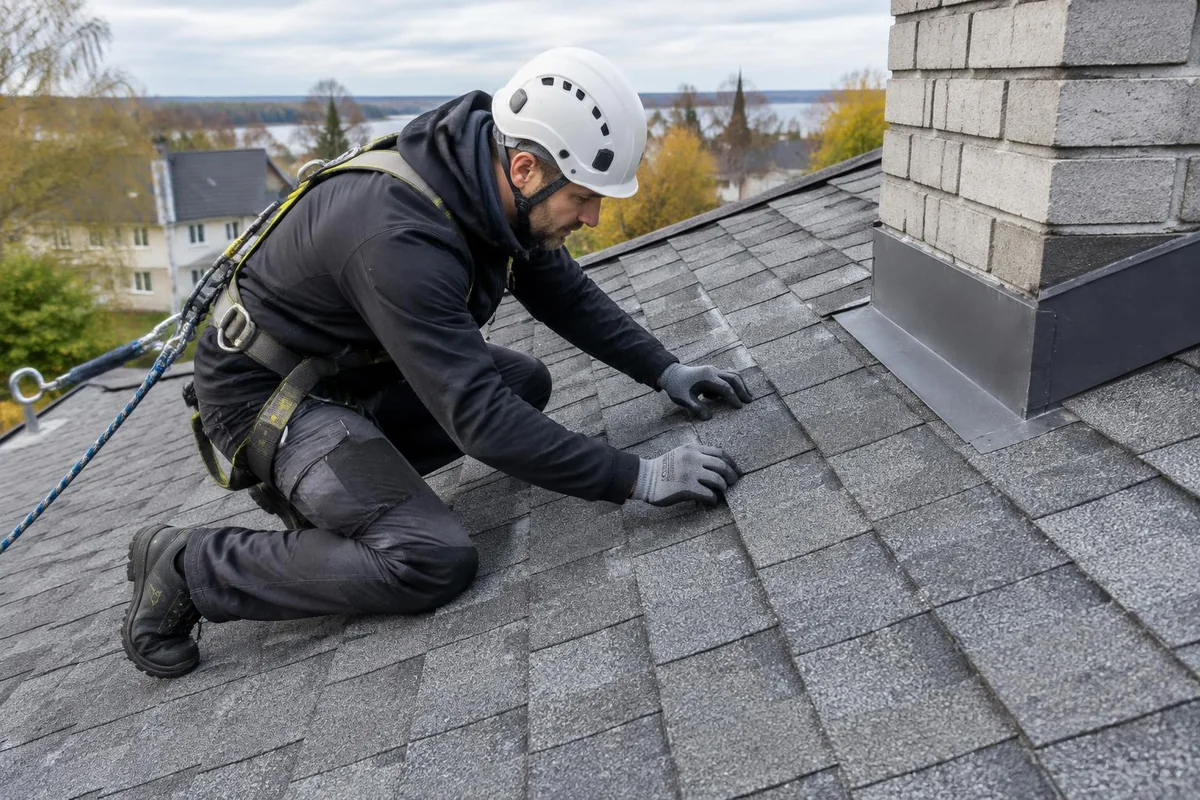
5. Advice on future maintenance
We explain when the roof should be checked and whether repeat treatment may be needed in future.
How long does anti-moss roof treatment remain effective?
Our previous information materials mentioned an indicative effectiveness period of 3–5 years. Actual results depend on the roof covering, shade, moisture, the amount of growth, the product used and treatment conditions. This is not a guaranteed period for every roof. Claims about a particular product's effectiveness must be consistent with its documentation.
When is repeat anti-moss roof treatment needed?
Preventive treatment can be planned approximately once every 3–4 years, provided the product instructions and the roof's condition allow it. Growth may return sooner on shaded or damp roofs.
After moss removal
In some cases, after intensive moss removal, it may be useful to consider an additional treatment after 6–12 months. This is not a compulsory step for every roof.
Anti-moss roof treatment or moss removal – what is the difference?
Spraying is a treatment intended to limit biological growth. Moss removal is the physical removal of a layer of moss that has already formed. If the roof is clean or growth is light, preventive treatment may be sufficient. If thick moss covers the roof, gentle cleaning first is usually preferable. These services complement one another but are not the same thing.
Why choose Kārtība Tīrība?
Experience from 400+ roof jobs
Experience in roof cleaning, maintenance and repairs allows us to pay attention to the roof's overall condition as well.
A gentle approach
We choose a maintenance method suited to the particular situation, avoiding unnecessary mechanical stress on the covering.
Roof maintenance in one place
We offer anti-moss roof treatment, moss removal, gutter cleaning and roof repairs.
A responsible attitude
We aim to be the best. We work with a clear conscience.
Frequently asked questions
Does anti-moss roof treatment remove moss?
The product can act on moss but does not provide immediate, complete removal of thick growth. For heavily moss-covered roofs, we usually recommend cleaning before spraying.
Does a roof need treating every year?
Not always. Frequency depends on the roof's condition and the instructions for the particular product.
Does an anti-moss product damage the roof covering?
This depends on the product and the roofing material. Compatibility must be checked before treatment and the label instructions followed.
Is spraying safe for plants?
Some anti-moss products can harm plants and aquatic organisms. Product safety requirements must therefore be followed, and unwanted spray drift or runoff into the environment must be prevented.
Does spraying help with black stains?
If the stains are caused by biological growth, a suitable product can limit its development. Existing discolouration does not always disappear immediately.
Book anti-moss roof treatment!
Do not wait until your roof is completely covered in moss. Timely maintenance helps keep it looking well maintained and reduce the need for more extensive cleaning.
Send photographs of your roof and a short description.
Kārtība Tīrība — clean work and a clear conscience.
Phone: +371 26006111
Email: info@kartibatiriba.lv
Related services — internal links
Roof moss removalif the roof is already heavily overgrown.
Shingle rejuvenatora separate bitumen shingle rejuvenation service; not the same as anti-moss spraying.
Roof repairsif damage to the covering or junctions has been identified.
Shingle roof repairsfor repairing damaged bitumen shingles.